

Today’s Breaking News You Need to Know Right Now
Keeping up with fast-moving events can feel overwhelming when headlines arrive from countless sources all at once. News today solves this by gathering the latest verified reports into a single, constantly updated stream. It works by pulling live feeds from journalists and wire services, so readers see breaking developments as they happen. Using it is simple: check the feed for current updates, follow the topics that matter most, and rely on its benefits of speed, clarity, and convenience.
What Counts as Breaking News Right Now and How to Spot It Instantly
Breaking news right now means a story just dropped that changes what you already know, like a sudden resignation, a live emergency, or a major court ruling. To spot it instantly, look for words like “just in,” “developing,” or “live” paired with a timestamp under five minutes old. Real-time alerts from trusted outlets usually beat social media rumors. If a post has no link, no source, and no time, it’s not breaking news yet. Check if multiple news today sources repeat the same fact within minutes. That speed and agreement is your fastest signal.

Live Alerts vs. Scheduled Bulletins: Which One Keeps You Ahead

Live alerts ping you the second something shifts, while scheduled bulletins arrive at set times no matter what. If you want to stay ahead, live alerts win almost every time—they let you react while a story is still moving. Scheduled bulletins are tidy but often stale by the time they land. Live alerts vs. scheduled bulletins really comes down to speed versus predictability. Choose live alerts for fast-moving moments and bulletins for calm recaps. Which one keeps you ahead? Live alerts, hands down—because a delayed update is just history.
How Timestamps and Update Badges Signal Fresh Coverage
Timestamps anchor a story to a specific moment, so a headline marked “12 minutes ago” signals active monitoring rather than archival content. Update badges such as “Updated 5 min ago” or “Live” reveal that editors are revising facts as they emerge. Check whether the timestamp reflects publication or revision; a new time on an old headline often means corrected details. Then verify the badge’s placement—top-of-page badges usually indicate priority coverage. Finally, compare timestamps across sources: a cluster of recent times confirms freshness, while stale ones expose recycled reporting.
Where to Find Reliable Headlines Today Without Wasting Time
For reliable headlines today without wasting time, start with curated wire services like the Associated Press or Reuters apps, which push verified breaking news alerts directly to your lock screen. Dedicated news aggregators such as Google News or Apple News let you mute noisy outlets and prioritize primary sources. Rather than scrolling endless feeds, set two daily check-ins—morning and evening—to catch what actually changed. Avoid social media trending pages, which reward outrage over accuracy. Instead, follow a handful of trusted journalists who link their evidence. This narrow, deliberate approach delivers the day’s real headlines in under five minutes, leaving you informed rather than overwhelmed.
Comparing Push Notifications, News Feeds, and Email Digests
Push notifications deliver instant alerts but interrupt focus, news feeds offer browsable headlines yet encourage endless scrolling, and email digests summarize stories on a fixed schedule. Choosing among them here depends on how you consume news today. Comparing push notifications, news feeds, and email digests reveals a simple tradeoff: speed versus control versus completeness. For most people, email digests win for reliability because they arrive once daily, gather top headlines in one place, and never ping you mid-task. Use push only for breaking stories, feeds for casual browsing, and digests for a calm, complete catch-up.
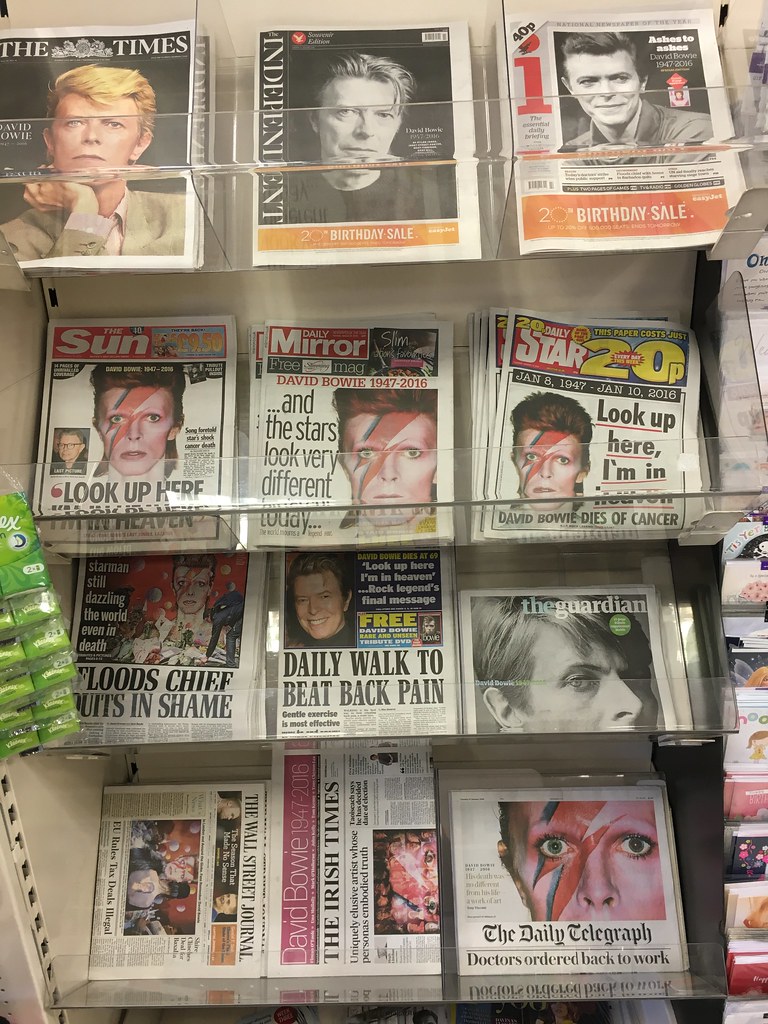
- Push notifications: fastest, most disruptive
- News feeds: scannable, easy to overuse
- Email digests: scheduled, organized, low-pressure
Why Source Transparency Matters More Than Speed
Speed feels great, but a fast headline from a murky source can send you down the wrong path before you even notice. Source transparency lets you see who published it, when, and what evidence backs it up, so you can judge trustworthiness in seconds. Ironically, checking that context often saves more time than chasing the first alert. Reliable outlets show bylines, dates, and links to primary material, while shady ones hide behind vague names and missing timestamps. That difference matters because a quick glance at transparency tells you whether to keep reading or move on.
Q: Why does source transparency matter more than speed?
A: Because a fast claim without a clear, checkable origin can mislead you, while a transparent source gives you what you need to verify and decide confidently.
Essential Features Your Daily News Feed Should Have
Your daily news feed needs to help you cut through the noise fast. Look for real-time updates so you’re never stuck reading yesterday’s headlines when something big breaks this morning. A solid feed also lets you customize topics, mute sources you don’t trust, and see quick summaries before diving deep. Personalized filtering matters too, because news today moves too quickly to scroll through stuff you don’t care about. Save-for-later buttons, clear timestamps, and offline reading make catching up on your commute way easier. If your feed lacks these basics, you’re wasting time, not staying informed.
Personalization Tools That Filter Out the Noise
Effective personalization tools that filter out the noise let you mute entire topics, prioritize specific authors, and set keyword alerts so only relevant stories surface. Instead of drowning in endless feeds, you define signal thresholds—such as “show only local politics” or “hide celebrity gossip.” These controls learn from your reading time and skips, refining what appears next. The result is a feed that respects your attention rather than exploiting it.

- Mute keywords or whole sections permanently.
- Boost preferred sources to the top.
- Set daily story limits per topic.
Offline Reading and Save-for-Later Options for Busy Readers
Let’s be real, your commute or lunch break isn’t always blessed with strong signal. That’s where offline reading and save-for-later options totally save the day. A solid news feed lets you tap a little bookmark icon and stash stories for later, no Wi-Fi needed. Then you can catch up on the subway, on a flight, or in that dead zone at the gym. Just download the articles you want in advance, and they’re ready whenever you are. No spinning wheels, no frustration—just your news, exactly when you’ve got a spare minute.
How to Verify a Story Before You Share It

Before you amplify today’s breaking news, run a quick triage: open a new tab and search the exact headline plus “debunked” or “false.” Verify a story before you share it by tracing the claim to its original source, not a screenshot.

If the primary source is a social media post with no timestamp, location, or named author, treat it as unverified.
Check whether two independent outlets with different ownership report the same facts. Reverse-image search any viral photo. If a story triggers outrage or urgency, pause longer—those emotions are the tell. Share only after you can name the who, when, and where.
Cross-Checking Multiple Outlets in Under Two Minutes
Open three trusted outlets in separate tabs and scan only their headlines and first paragraphs. Cross-checking multiple outlets in under two minutes means looking for agreement on names, numbers, and locations, not reading full articles. If two sources match and one differs, flag that discrepancy immediately. Speed matters here, yet accuracy still depends on noticing what each outlet quietly omits. Check timestamps to confirm you are comparing the same news cycle, not outdated updates. Then search the story’s key claim plus the word “false” to catch quick debunks. If consensus holds across outlets, share confidently; if not, wait before posting.

Red Flags That Reveal Outdated or Misleading Updates
When you’re checking a story before sharing, watch for stale timestamps that say “updated” but show no new details, or vague phrases like “recently” without a date. Red flags that reveal outdated or misleading updates also include recycled photos from years ago, missing author names, and edits that quietly change a headline without a correction note. If the page loads slowly or the comments are full of people asking “is this old?”, that’s your cue to pause. Trust your gut when something feels off.
Tips for Building a Balanced News Routine That Actually Sticks
To build a news routine that survives today’s relentless cycle, anchor it to two fixed check-ins: a ten-minute morning scan and a five-minute evening recap. Choose three trusted sources max, and mute push alerts for everything else. Batch your reading by topic, not by urgency, so you finish with context rather than whiplash. Schedule one weekly deeper dive to revisit stories you skimmed. Rigid daily quotas often backfire, so allow a flexible skip day without guilt. End each session by writing one sentence on what changed and what didn’t.
Best Times of Day to Catch Major Developments
To catch major developments as they unfold, align your checks with publication rhythms rather than constant refreshing. Early morning, roughly 6–8 a.m., captures overnight breaking stories and first-edition summaries. Midday, around 12–1 p.m., surfaces fresh updates from morning press cycles. Late afternoon, 4–6 p.m., often delivers the day’s most consequential revisions. The best times of day to catch major developments are these three windows, not scattered intervals. Checking then reduces noise and ensures you see finalized angles before evening recaps. Avoid late-night scans unless a story is urgent.
Check news at 6–8 a.m., 12–1 p.m., and 4–6 p.m. to catch major developments when they peak.
Setting Topic Limits to Avoid Information Overload

To prevent feeling swamped by the daily news cycle, decide on a small number of specific subjects you will follow, such as local politics, climate, or a single industry. Setting topic limits to avoid information overload means ignoring everything outside that short list, even if headlines tempt you. Choose no more than three to five topics, then mute or unfollow sources that regularly stray beyond them. When a new interest arises, drop an old topic first. This keeps your attention narrow, reduces stress, and makes your news routine easier to maintain consistently.
Common Questions People Ask About Getting News Today
People often ask, “Where do I even start when every app shouts for attention?” The common questions about getting news today usually begin with trust: who do I believe, and how fast is fast enough? A friend once told me she spends ten minutes each morning jumping between three apps, then feels more confused than informed.
Most people don’t want more news; they want a simple routine that tells them what matters without drowning them.

Others ask if headlines alone are enough, or whether they should read full articles. The honest answer: pick two reliable sources, check them once, then move on with your day.

Is Free Access Enough, or Do Paid Tiers Offer Real Value?
Free access gets you headlines, but paywalls often hide depth. Is free access enough, or do paid tiers offer real value? That depends on what you need. Paid subscriptions typically unlock investigative pieces, expert analysis, ad-free reading, and early alerts. If you just skim top stories, free is fine. But if you want context, archives, or niche coverage, paying can save time and reduce frustration. Value isn’t about cost alone—it’s about whether the extra content actually helps you understand or act. Test a trial, then decide if the upgrade earns its place in your routine.
How Often Do Top Stories Change Throughout the Day?
Top stories often shift every few hours, with major updates appearing in the morning, midday, and evening cycles. Breaking events can push new headlines to the top within minutes, while slower developments may hold their position for half a day or more. How often top stories change depends on urgency, audience interest, and fresh details emerging from ongoing coverage. If you check once in the morning, you might miss a completely different lead by lunch. For the most current picture, refresh your feed several times daily rather than relying on a single visit.
Top stories typically change multiple times per day, so checking back every few hours keeps you aligned with the latest lead.