

Pet Emergency Guide: How to Spot Critical Signs and Save Your Pet’s Life
Pet emergency is the sudden, critical moment when your companion’s life or comfort hangs in the balance, demanding immediate action. It works by recognizing warning signs like breathing distress, seizures, or poisoning, then rushing to a 24/7 veterinary clinic or calling a pet poison hotline without delay. The benefit is a higher chance of survival and less suffering, giving you a clear, calm plan when panic hits. Keep your vet’s number, a first-aid kit, and a carrier within easy reach, so you can respond the second your pet needs you.
How to Spot a Real Pet Emergency vs. a Minor Issue
Distinguish a true pet emergency from a minor issue by prioritizing respiratory and circulatory stability. Immediate, unrelenting difficulty breathing, pale or blue gums, or collapse always warrant an emergency vet, whereas a single bout of vomiting in an otherwise playful pet can often be observed at home for a few hours. Similarly, uncontrollable bleeding, suspected toxin ingestion, or an inability to urinate are non-negotiable emergencies—do not wait to see if they resolve. Minor issues include a small superficial cut, a single loose stool, or a brief episode of limping that improves with rest. Always err toward emergency care if your pet’s behavior is profoundly altered—lethargy, hiding, or unresponsiveness—even when the physical symptom seems mild. Finally, abdominal distension with retching, particularly in large-breed dogs, demands immediate action; this is gastric dilation-volvulus, not a tummy ache.
Signs Your Pet Needs Immediate Veterinary Care
If your pet collapses, has repeated vomiting, or can’t stand, that’s a red flag for immediate veterinary care. Likewise, pale gums, labored breathing, or a bloated, hard belly signal a true emergency—not a wait-and-see moment. Seizures lasting over two minutes, suspected toxin ingestion, or obvious fractures also demand urgent action. *A subtle sign like sudden lethargy paired with refusal to drink can be just oak tree animal hospital as critical as dramatic symptoms.* When in doubt, call your vet on the way—minutes matter.
Q: What if my pet just seems “off” but has no obvious injury?
A: Trust your gut—profound dullness, hiding, or rapid breathing with no cause often indicates internal distress, so seek care immediately.
What to Do When You’re Unsure If It’s an Emergency
When you’re unsure if your pet’s condition is an emergency, always err on the side of caution and call your veterinarian or an emergency animal hospital immediately—never wait for symptoms to worsen. Describe your pet’s exact behavior, breathing, and recent ingestion; they can offer a quick triage. If you suspect poisoning, seizures, or trauma, go in now—these are non-negotiable emergency signs. For milder issues like a single vomit or a small cut, monitor for 30 minutes while keeping your pet calm and hydrated. If your gut says something is deeply wrong, trust it over a checklist.
**Q: What should I do if my pet seems fine but I’m still worried?**
A: Call your vet’s triage line, then take a video of your pet’s gait or breathing to share—this gives them concrete evidence while you decide if a drive is needed.

Common False Alarms That Can Wait Until Morning
While some signs demand immediate care, others can safely wait until morning if your pet is otherwise stable. A single episode of vomiting followed by normal energy and appetite is a classic false alarm that can wait until morning, especially if no toxins or foreign objects were ingested. Similarly, mild diarrhea without blood, straining, or lethargy is often transient. Occasional sneezing, a small bite-scratch that isn’t profuse, or a soft limp that improves with rest are not urgent. Reduced food intake for one meal, without accompanying weakness, also falls into this category. Always monitor for escalation, but these minor, self-limiting issues rarely require a 2 a.m. veterinary trip.
Building a Pet First-Aid Kit That Actually Covers Emergencies
A solid pet first-aid kit isn’t just gauze and tape—it’s your lifeline during a pet emergency. Start with a waterproof container and pack items you’ll actually use: sterile saline for flushing wounds, absorbent pads for bleeding, and a digital thermometer (normal is 101–102.5°F). Add a muzzle—even sweet pets bite when panicked—and a spare leash or towel to safely transport an injured animal. Include tweezers, blunt scissors, and a syringe for dosing oral meds. Store a vet’s emergency number printed on card stock, plus a one-page summary of your pet’s allergies and current medications. For poison concerns, keep activated charcoal (only if advised) and a small bottle of 3% hydrogen peroxide to induce vomiting—but never give it without checking with poison control first. Rotate expired items every six months and tailor the kit to your pet’s size and health risks.
Essential Supplies You Must Have Before a Crisis Happens

Before a crisis hits, your pet’s life may depend on supplies you can grab in seconds. Start with a pet first-aid kit that actually covers emergencies, including rolled gauze, non-stick pads, and vet-wrap for bleeding. Add a digital thermometer (normal is 101–102.5°F), saline solution for eye rinsing, and a styptic powder to stop nail bleeding. Don’t forget a muzzle—even sweet dogs bite when in pain—plus a towel for restraint, and a spare leash. Store a week’s worth of meds, canned food, and bottled water in a sealed bag. Rotate expired items quarterly so nothing fails you mid-crisis. Pre-assembled kits save panic, but tailor yours to your pet’s size and health.
Q: What is the single most overlooked item for a pet emergency?
A: A muzzle and a sturdy carrier—most owners forget pain makes pets unpredictable, and you’ll need to move them safely.
How to Use Each Item Correctly in a High-Stress Moment
In a high-stress moment, your muscle memory beats panic, so rehearse each tool’s exact motion now. For gauze, apply direct pressure for a full ten minutes—do not lift to peek, as that tears clots. With a muzzle, slide it over the snout and tie behind the ears *before* handling a frightened dog, but skip it if vomiting or breathing is labored. Use a syringe of sterile saline to flush wounds in a steady stream, never a forceful jet that drives debris deeper. For a digital thermometer, lubricate the tip and insert only 1–2 inches into the rectum, holding steady for 30 seconds—a wiggling pet yields a false reading. Mastering each item’s correct grip and timing prevents common errors that worsen injuries under pressure. Practice the tourniquet twist once a month so your hands remember the rod’s half-turn even when your mind blanks.
- Count aloud: 10 minutes of pressure on bleeding before checking the wound.
- Secure the muzzle with a double knot, then test it slips off in one pull for emergencies.
- Flush in a side-to-side sweep, not straight down, to avoid packing dirt in.
- Keep the thermometer tip angled toward the spine, not the belly, for accurate reads.
What to Skip in a Kit–and Why It Could Harm Your Pet
Skip human medications like ibuprofen or acetaminophen in your kit, as even small doses cause fatal toxicity in dogs and cats. Avoid hydrogen peroxide for wound cleaning; it damages healthy tissue and delays clotting, making injuries worse. Do not include oral syringes without dose markings—guessing volumes during an emergency risks over-administration of critical fluids or antidotes. Leave out tourniquets unless you are trained; improper use can crush vessels and necessitate amputation. Finally, omit expired saline or ointments, which breed bacteria. Each of these seemingly helpful items can transform a manageable crisis into a life-threatening complication, so prioritize veterinary-approved supplies instead. Pet emergency kit mistakes often stem from well-meaning but dangerous substitutions.
Step-by-Step Actions to Take While Rushing to the Vet

While rushing to the vet during a pet emergency, first secure your pet safely in a carrier or with a harness to prevent sudden movements that could worsen injuries. Have a second person call the clinic ahead so they can prepare an emergency bay, while you focus on driving calmly and obeying traffic rules. If your pet is bleeding, apply firm pressure with a clean cloth, but never wrap anything around the neck or chest tightly. Keep the car temperature stable and speak in a low, soothing voice to reduce panic. If your pet stops breathing, pull over immediately and begin CPR only if you are trained, then resume driving. Once at the clinic, give the staff a concise timeline of symptoms and any toxins ingested. Do not offer food, water, or medication unless directed—this can interfere with diagnostics and crucial emergency treatment.
How to Safely Transport an Injured or Distressed Animal
Before lifting an injured pet, stabilize the spine by sliding a rigid board or blanket beneath them, supporting the neck and back as one unit. For smaller animals, gently scoop them onto a towel, avoiding any twisting of the limbs or torso. Use a carrier or box with a secure latch, lining it with non-slip padding to prevent sliding during turns. If your pet is distressed, muzzle them loosely with gauze—but never if they’re vomiting or struggling to breathe. Keep the vehicle calm, quiet, and at a moderate temperature, with a second person steadying the carrier. Drive smoothly, avoiding sudden stops, while speaking in a low, soothing tone. Do not offer food or water, as this can complicate treatment.
Safe transport means immobility, secure containment, and gentle handling—never add stress or risk of further injury.
What Information to Have Ready for the ER Team
While en route, gather your pet’s medical history, including vaccination records, current medications, and any known allergies. Note the exact time the emergency began, what your pet ingested or encountered, and the sequence of symptoms you observed. Have your regular veterinarian’s contact information and your pet’s microchip number ready. Also prepare a summary of recent travel or environmental changes. This critical pet emergency information allows the ER team to triage faster and avoid dangerous drug interactions.
What if I don’t have all the paperwork with me? That’s okay—call your regular vet from the car and ask them to fax or send records directly. If that’s impossible, verbally state your pet’s age, breed, weight, and any chronic conditions you know about.

How to Keep Your Pet Calm and Prevent Further Injury En Route
While driving, your primary focus is minimizing stress and movement for your injured pet. Secure them in a hard-sided carrier or a box lined with a non-slip towel; if they are too large, have a passenger gently support their body, avoiding the injured area. Speak in a low, steady tone and avoid direct eye contact, which can feel threatening. Cover the carrier with a light sheet to block visual triggers, but leave airflow. Never offer food or water, as this can complicate anesthesia or induce vomiting. Keep the car cool and quiet, with windows up and music off. If your pet tries to bite from pain, wrap them in a blanket, leaving their head exposed, and get to the vet immediately.
Emergency Costs and How to Handle Them Without Panic
When your pet faces a sudden emergency, the shock of the vet bill can feel as overwhelming as the medical crisis itself. Instead of freezing, take a breath and ask the clinic for a written estimate upfront, then request a payment plan or use a dedicated credit line like CareCredit. Many hospitals will stabilize your pet before discussing full costs, so prioritize immediate care and worry about the total later. A practical rule: keep an emergency fund of $1,000 to $2,000 specifically for your pet, and set aside a small “just-in-case” envelope for co-pays. Panic shrinks when you have a decision tree. Q: What if I can’t afford the estimate? A: Say, “What’s the minimum needed to treat pain or stabilize tonight?”—then pay that, and negotiate follow-up care for the next day. This buys time and keeps your focus on your companion, not the chaos.
Typical Price Ranges for Common Urgent Procedures
For common urgent procedures, expect to pay $150–$300 for a basic laceration repair, while fracture stabilization typically runs $1,500–$4,000 depending on complexity. Toxin exposure requiring induction of vomiting and activated charcoal costs $300–$800, and emergency C-sections range from $2,000–$5,000. Foreign body removal via endoscopy sits near $1,200–$2,500, but open surgery jumps to $3,000–$6,000. Urgent care price ranges shift by geographic region and after-hours fees, so confirm a written estimate before treatment begins. To manage costs:
- Ask for itemized breakdowns of anesthesia, monitoring, and hospitalization separately.
- Request a payment plan or care-credit option before authorizing procedures.
- Compare prices from two nearby emergency clinics if the pet is stable enough.
Payment Options and Quick Funding Solutions at the Clinic
When an emergency strikes, most clinics offer multiple payment options to ease immediate financial strain. You can typically pay via credit card, debit, or cash at the front desk. Many veterinary hospitals also integrate third-party financing like CareCredit or Scratchpay, which provide instant approval for short-term, interest-deferred plans tailored to unexpected bills. For those without credit, some clinics allow a deposit-based payment plan, splitting the total into two or three installments directly with the billing office. Additionally, ask about quick funding solutions such as pre-authorized checks or mobile payment apps that clear funds within minutes, ensuring treatment begins without delay.
- Confirm which financing apps the clinic accepts before the vet sees your pet.
- Request a written cost estimate and ask about a 10% deposit to reserve treatment time.
- Inquire about same-day payment plans for bills under $1,000, which often require no credit check.
How to Decide Between Emergency Care and Euthanasia
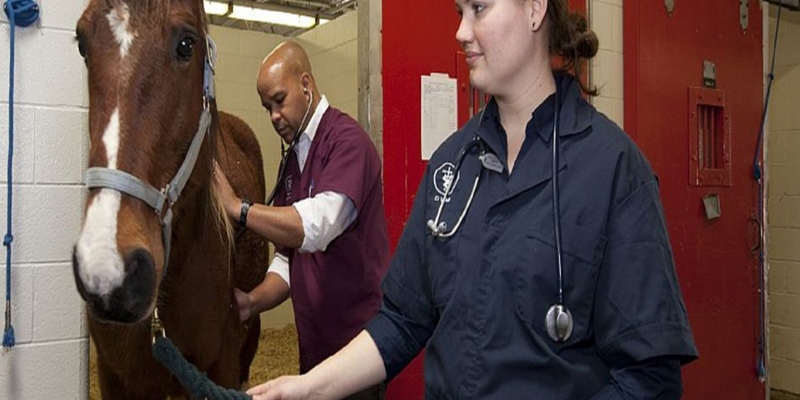
When deciding between emergency care and euthanasia, first evaluate your pet’s quality of life prognosis: ask the vet if treatment restores function or merely prolongs suffering. Then, quantify the likelihood of recovery versus the risk of repeated crises, since chronic organ failure often leads to costly, futile interventions. Compare the pet’s current pain score against your financial ceiling—if the emergency cost exceeds your available credit but the outcome is uncertain, request a tiered treatment plan (stabilization only) before committing. Finally, consider behavioral cues: a pet that no longer eats, responds, or shows comfort after 24 hours of hospitalization is less likely to benefit from aggressive care. Euthanasia becomes the logical choice when the vet’s prognosis is grave, the cost jeopardizes basic needs, and your pet’s distress cannot be managed at home.
Aftercare at Home Once the Emergency Stabilizes
Once your pet’s emergency stabilizes at the clinic, aftercare at home becomes critical for preventing relapse. Strictly administer all prescribed medications, including pain relievers and antibiotics, on the exact schedule provided. Confine your pet to a quiet, warm space to limit movement and allow healing, especially after trauma or surgery. Monitor the surgical incision or wound site daily for redness, swelling, or discharge, and prevent licking with an Elizabethan collar as directed. Offer small amounts of water frequently, then reintroduce bland food only when the veterinarian approves. Track urination, defecation, appetite, and energy levels closely; any sudden lethargy, vomiting, or breathing difficulty means an immediate call back to the emergency vet. Follow up with your regular veterinarian within 48 hours for suture removal or re-evaluation to ensure full recovery.
Monitoring Key Signs That Indicate Recovery or Relapse
After the emergency stabilizes, your daily observations become the lifeline for detecting early relapse warning signs. Track respiratory effort—a resting rate above 30 breaths per minute or visible belly heaving signals trouble. Monitor gum color; returning pink indicates good perfusion, while pale, blue, or brick-red gums demand immediate re-check. Appetite and water intake should climb steadily; a sudden refusal to eat for 12 hours often precedes a crash. Also, assess mentation: a bright, responsive pet is recovering, whereas lethargy, hiding, or whining suggests pain or systemic decline. Log these checks twice daily so subtle shifts are caught before they escalate.
- Count breaths for 60 seconds while your pet sleeps; tachypnea over 30/min warrants a vet call.
- Press a finger to the gum; refill time over 2 seconds means poor circulation.
- Compare daily activity scores—a drop from baseline for two consecutive checks is a red flag.
- Weigh every morning; a 3–5% loss in 24 hours indicates dehydration or relapse.
Managing Pain, Medication, and Wound Care on Your Own
Once your pet is stable, you’ll likely handle meds and wound care solo. Give every prescription exactly as directed—never skip a dose, even if they seem fine, and finish antibiotics fully. For pain, stick to vet-approved drugs; human ibuprofen or acetaminophen are toxic to pets. Clean wounds gently with warm saline or the provided rinse, twice daily, and watch for swelling, oozing, or a bad smell. Keep the cone or bandage on, especially overnight, to block licking. Set phone alarms for pill times, and track any changes in appetite or energy. If something looks off, call your vet early—at-home recovery planning means knowing when to ask for backup.
When to Schedule a Follow-Up Visit Versus Going Back to ER
Once your pet is stable, schedule a follow-up with your regular vet within two to five days, or exactly when the ER discharge sheet recommends, to catch slow-brewing issues. But if you see any return of the original emergency signs—like labored breathing, uncontrolled bleeding, repeated seizures, or your pet collapsing—don’t wait for that appointment. Go straight back to the ER. Also head back to the ER immediately if your pet can’t keep down medication, becomes suddenly weak, or shows pale gums, as these signal a crash that a routine clinic can’t handle. For mild things like a minor cough or a small wound oozing, call your vet’s triage line first; they’ll tell you whether to book or rush in. Trust your gut—when in doubt, returning to the ER is always safer than waiting for office hours.