

Your Guide to Online Gambling: Tips, Games, and Safe Play
Picture this: you’re relaxing on your couch after a long day, and with just a few taps on your phone, you’re placed right at a virtual blackjack table or spinning a colorful slot reel. Online gambling brings the casino floor directly to your screen, letting you place real-money bets on games of chance or skill through a secure website or app. The main benefit is convenience—you can play anytime, anywhere, and many platforms offer instant play, live dealers, and seamless payment options to keep the action flowing. Just create an account, pick a game, and set your own limits to enjoy a fun, controlled experience. Responsible play is key to making sure it stays a fun escape.
What Exactly Is Online Gambling and How Does It Work?
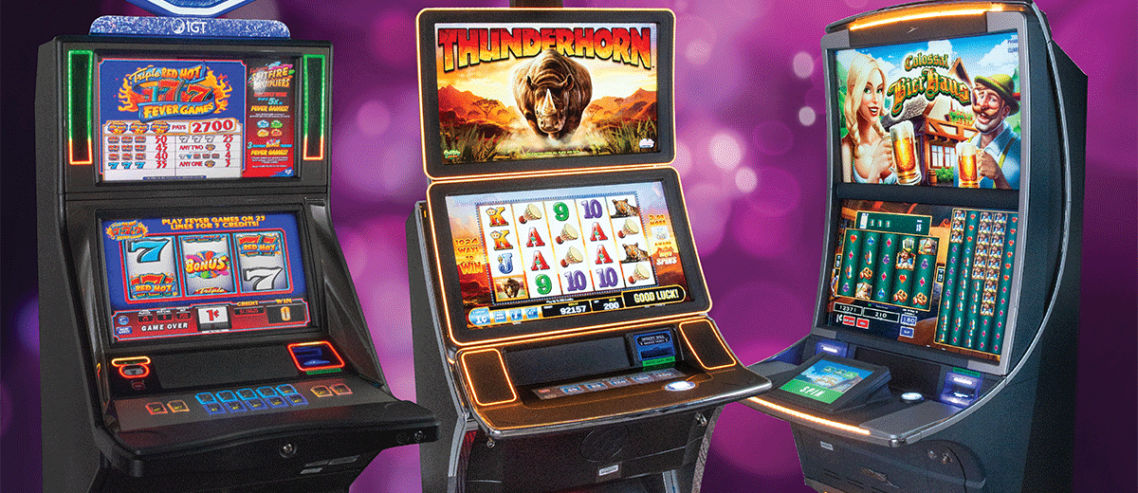
Online gambling is simply wagering real money on an uncertain outcome through a website or app, rather than at a physical venue. When you log in, you’re placing bets through a digital interface that connects you to a remote server running the games. For slots, a random number generator decides each spin instantly. For live dealer tables, a real person deals cards via video stream, and your bets appear as chips on the screen. The process works by you depositing funds into an account, selecting a game, and making a wager—the platform then calculates wins or losses automatically. Your balance updates in real time, and you can withdraw winnings back to your bank. **The core mechanics of online gambling** rely on speed and automation, making each session feel immediate. **How online gambling works** comes down to that seamless digital transaction between you, the software, and the random outcome—no physical cash changes hands, but the stakes are just as real.
The Core Mechanics: Random Number Generators, Odds, and Payouts
At the heart of every online casino lies the **Random Number Generator (RNG)** , a complex algorithm ensuring each spin, card, or dice roll is entirely independent and unpredictable, mimicking true chance. These RNGs are constantly audited to verify they aren’t rigged, giving you a fair shot at winning based purely on mathematical odds. The house edge, built directly into those odds, guarantees the casino a long-term profit, but your potential payouts are clearly defined by the game’s paytable, often expressed as Return-to-Player percentages (RTP). Understanding how RNGs produce random results, how odds shape your winning probability, and how payout multipliers translate into real cash is the foundation for making smarter, more strategic betting decisions in any digital game.
RNGs dictate randomness, odds define your chances, and payouts determine your rewards—the three pillars of every online gambling interaction.
Understanding the Different Formats: Live Dealer, Instant Play, and Downloadable Software
Online gambling operates through three primary access models, each with distinct trade-offs. Live dealer formats stream real-time table action via video, requiring a stable broadband connection to avoid latency, yet offering the most immersive social interaction. Instant play relies on browser-based HTML5 or Flash, eliminating downloads and enabling quick access across devices, though performance depends heavily on your browser’s cache and memory. Downloadable software installs a native client, which historically provided smoother graphics and faster RNG execution, but consumes hard drive space and requires update cycles. Your choice hinges on balancing convenience, hardware limitations, and desired realism; a mobile user often prefers instant play, whereas a desktop player seeking cinematic slots might opt for the installed client. None is universally superior—only situationally optimal.
- Live dealer requires uninterrupted camera feeds and often a minimum wagering window.
- Instant play works best on updated browsers; outdated versions cause game freezes.
- Downloadable clients typically feature pre-cached assets for quicker load times after initial install.
How to Pick a Safe and Reliable Platform for Real Money Play
The first time I chased a big win, I learned that checking a platform’s withdrawal speed before depositing is non-negotiable. For real money play, I always test the cashier with a small amount to see if payouts feel instant or drag for days. A safe platform encrypts your payment details visibly, and I look for live dealer games because they show real-time action, not pre-recorded loops. I also read the terms on bonus wagering—fair play rules are hidden there, and if the rollover exceeds 35x, I walk away. I stick with sites that let me set deposit limits and self-exclude easily, because a reliable operator doesn’t fear your control. When I feel the software glitch-free and the chat responds in seconds, that’s when I trust it with my bankroll.

Key Criteria for Evaluating a Casino or Sportsbook: Game Variety, Payment Speed, and User Reviews
When checking out a real-money site, start with game variety and payout reliability. A solid platform offers a broad mix of slots, table games, and live dealer options, so you aren’t stuck with the same three titles. Next, test payment speed by reading withdrawal policies—look for e-wallets or crypto that clear within hours, not weeks. Finally, dig into user reviews on forums and Trustpilot, focusing on repeated complaints about delayed cashouts or rigged games. For a quick sanity check:
- Skim the game lobby for at least 50+ providers.
- Confirm minimum withdrawal times listed in FAQ.
- Scan recent reviews for payment-related keywords.
If reviews mention fast payouts and fair RTP, you’re likely on the right track.
Red Flags to Avoid When Scouting for a Trustworthy Site

When scouting a platform, treat withdrawal friction as your primary red flag—unexplained delays, hidden wagering requirements, or sudden ID re-verification after a win signal cash-flow problems. Avoid sites with vague or copied terms of service, especially those lacking clear dispute-resolution steps. Also, distrust aggressive bonus pop-ups that demand immediate deposits; they mask poor payout practices. A site that cannot provide a transparent, instant chat log of past queries is likely erasing evidence of unfair treatment. Finally, scan for crashed live-chat widgets or generic email-only support—these indicate under-resourced operations that will stall when real money is at stake.
Your First Deposit: Bonuses, Payment Methods, and Withdrawal Rules
Your first urbancafeseattle deposit sets the tone, so pick a payment method that clears instantly—cards and e-wallets usually do, while bank transfers can stall your play. Before you commit cash, check the welcome bonus terms: most match a percentage, but the real catch is the wagering requirement, often 30–50x, which you must meet before any withdrawal of bonus funds is allowed. Also, note that some methods—like Skrill or Neteller—might disqualify you from the bonus entirely, so read the fine print first. When you win, expect a withdrawal rule that demands you use the same method for payouts as deposits, and identity verification (KYC) can delay your first cash-out by a few days. Keep your deposit small if the rollover feels steep, and always confirm the minimum withdrawal limit—usually $20–$50—so your first profit doesn’t get stuck.
Breaking Down Welcome Packages: Match Bonuses, Free Spins, and Wagering Requirements
A welcome package typically layers a deposit match bonus with free spins, but each component carries distinct terms. A 100% match up to $200 doubles your bankroll, yet the wagering requirement—often 35x the bonus plus deposit—dictates how much you must wager before withdrawal. Free spins usually convert winnings into bonus cash with a separate, lower playthrough, sometimes 20x. Always check whether table games contribute 100% toward the requirement or only 10%, as this alters your strategy. Compare the maximum bet allowed during wagering (frequently $5) and the expiry window, typically 7–30 days.

| Component | Common Wagering | Key Restriction |
|---|---|---|
| Match Bonus | 30–40x (bonus+deposit) | Max bet $5–10 |
| Free Spins | 20–35x winnings | Slot-only eligible games |
Choosing the Right Banking Option: Credit Cards, E-Wallets, Cryptocurrencies, and Bank Transfers
Selecting between credit cards, e-wallets, cryptocurrencies, and bank transfers hinges on your deposit speed and withdrawal priorities. Credit cards offer instant funding but often trigger slow, fee-laden payouts back to the card. E-wallets like Skrill or Neteller provide the fastest round-trip cash flow, though some casinos exclude them from bonus eligibility. Cryptocurrencies (Bitcoin, Ethereum) deliver near-instant, low-fee transactions with no chargebacks, but price volatility can affect your bankroll. Bank transfers are the most secure and highest-limit option, yet they routinely take 3–7 business days for withdrawals. The optimal choice is a hybrid approach: matching your payment method to deposit speed and withdrawal flexibility. A practical sequence:
- Check which methods trigger the casino’s welcome bonus.
- Deposit with a credit card or e-wallet for immediate play.
- Withdraw via the same method to avoid verification delays.
- Switch to crypto only if you prioritize anonymity and speed over fiat stability.
How to Navigate Withdrawal Limits and Verification Steps Without Delays
To dodge withdrawal delays, treat verification as step one, not step three. Upload a government ID and a proof of address *before* you even hit the deposit button—most casinos let you pre-verify. Then, check the fine print for your payment method’s specific limit (e.g., $2,000 per week for bank transfers, but $10,000 for crypto). If you’re close to the cap, split your cashout into smaller chunks or switch to a higher-limit method. Always withdraw to the same method you deposited with—mixing them triggers extra checks. Keep screenshots of every transaction handy; if a “pending” status lingers past 24 hours, hit live chat. This way, you’ll avoid the dreaded “documents rejected” loop that freezes your funds.
Pre-verify, match your method, split large payouts, and chase pending statuses promptly—that’s the quick route past withdrawal limits and verification heat.
Practical Tips for Managing Your Bankroll and Maximizing Playtime
Protecting your bankroll starts with setting a **strict loss limit** before you even log in—treat it as the cost of a night out, not an investment. Divide your total budget into smaller session stakes, and walk away the moment one is gone. To stretch playtime, lower your bet size when variance spikes, and always chase bonuses that offer free spins or low wagering requirements instead of reloading a losing streak. Set a timer for every session to avoid “just one more hand” syndrome.
Speed of play is your enemy: slow down, use autoplay cautiously, and take breaks to keep decisions rational.
Cash out wins periodically, locking in profits rather than recycling them into the game.
Setting Loss Limits and Session Budgets That Keep the Fun Alive
Set a loss limit before you even log in, treating it as an unbreakable rule rather than a suggestion. Decide on a session budget that matches your entertainment spending, then divide it into smaller chunks—for example, three 20-minute blocks with a fixed amount per block. When you hit your cap, step away immediately, not after “one more spin,” because that single bet often breaks the bankroll. Use the casino’s built-in reality checks or self-exclusion timers as reinforcement. A clear sequence works best:
- Set a daily loss ceiling (e.g., 5% of your bankroll).
- Split that ceiling across sessions.
- Stop the moment any block is depleted.
This keeps playtime alive by removing the anxiety of chasing losses, letting you enjoy the game purely for its thrill.
Smart Betting Strategies for Slots, Table Games, and Live Wagering
For slots, adopt a fixed unit-per-spin strategy—betting 1% of your bankroll per spin—to extend playtime and absorb variance. On table games, prioritize even-money wagers like blackjack’s banker or roulette’s red/black, and always cap your session loss at 20% to trigger a stop. In live wagering, use flat betting on underdogs with a +150 to +250 range, avoiding parlays to minimize house edge. This discipline aligns with stake-and-stop betting frameworks, which lock in profit thresholds and force breaks. Q: What is the safest smart betting strategy for live wagering? A: Flat-betting 2–5% of your bankroll per event, never chasing losses, and quitting after two consecutive wins.
Common Questions Beginners Ask Before They Start Betting Online
Before diving in, beginners almost always ask, “How do I actually deposit and withdraw money safely?”—the answer is to start with e-wallets or prepaid cards, which add a buffer between your bank and the betting site. The next big question is “What happens if I win big?”; know that withdrawal limits, verification checks, and processing times vary wildly by platform, so read the cashier page *before* you play, not after. Newcomers also wonder if bonuses are free money, but they’re tied to wagering requirements you must meet. Finally, most ask, “Can I bet on my phone?”—yes, but always test the mobile site’s navigation with small stakes first. Understanding these mechanics early saves you from frustrating surprises later.
How Do I Know If a Game Is Fair and Random?
To judge fairness, first check if the game displays a certified Random Number Generator (RNG) audit from an independent lab like eCOGRA or iTech Labs—this verifies outcomes are not manipulated. Then, review the game’s stated payout percentage (RTP) and compare it against the casino’s published average for that specific title. For live dealer games, confirm the deck is shuffled in real time and that multiple camera angles show no cuts mid-round. Most reputable platforms allow you to inspect bet history or “provably fair” hashes, letting you verify each result’s seed mathematically. However, even with RNG certification, short-term variance means you cannot predict individual spins—fairness only guarantees long-run statistical probability, not personal wins. Trust only casinos that offer transparent, publicly accessible audit reports without forcing you to search buried pages.
A game is fair if it uses independently audited RNGs, published RTP, open bet histories, and real-time verification methods that let you confirm each outcome’s randomness.
Can I Play for Free Before Committing Real Money?
Yes, most online casinos and betting sites let you play for free before committing real money. You can explore demo modes on slots, table games, and even sportsbook practice bets without creating a funded account. This is the safest way to test software, understand rules, and gauge your comfort level. However, remember that free play rarely mirrors real-money dynamics like cashout speeds or emotional pressure. Free play is your risk-free trial period, but it won’t unlock bonuses or loyalty rewards—those require a deposit. Demo mode helps you build strategy, yet you’ll still need a small stake to experience true payout mechanics. Q: Can I play for free indefinitely? A: Yes, but many sites limit demo time or require registration after a few rounds.
What Happens If I Experience a Technical Glitch During a Bet?
If you experience a technical glitch during a bet, the platform’s server log is your primary forensic tool, as it records the exact timestamp and action sequence of your wager. First, screenshot any error message and your bet slip immediately; then, contact live support within the session window, because most operators void unsettled bets if the glitch occurs before the event’s official result. Crucially, do not place a second wager to “cover” the interrupted one, as this creates conflicting records that delay resolution. Casino games, unlike sports bets, use a random number generator audit trail that mathematically reconstructs your spin outcome, so a disconnect mid-spin typically returns your stake. Always check your transaction history after reconnecting—if the stake shows as “pending” rather than “settled,” the bet glitch resolution process requires a formal ticket, with refunds processed within 48 hours if the fault is verified as server-side.